Websites for healthcare practices
For physiotherapists, dentists, therapists and small practices that people need to find, trust and reach easily. Your site gives clear practice information, lets patients request or book appointments and is accessible to everyone, with careful handling of privacy and no medical claims.
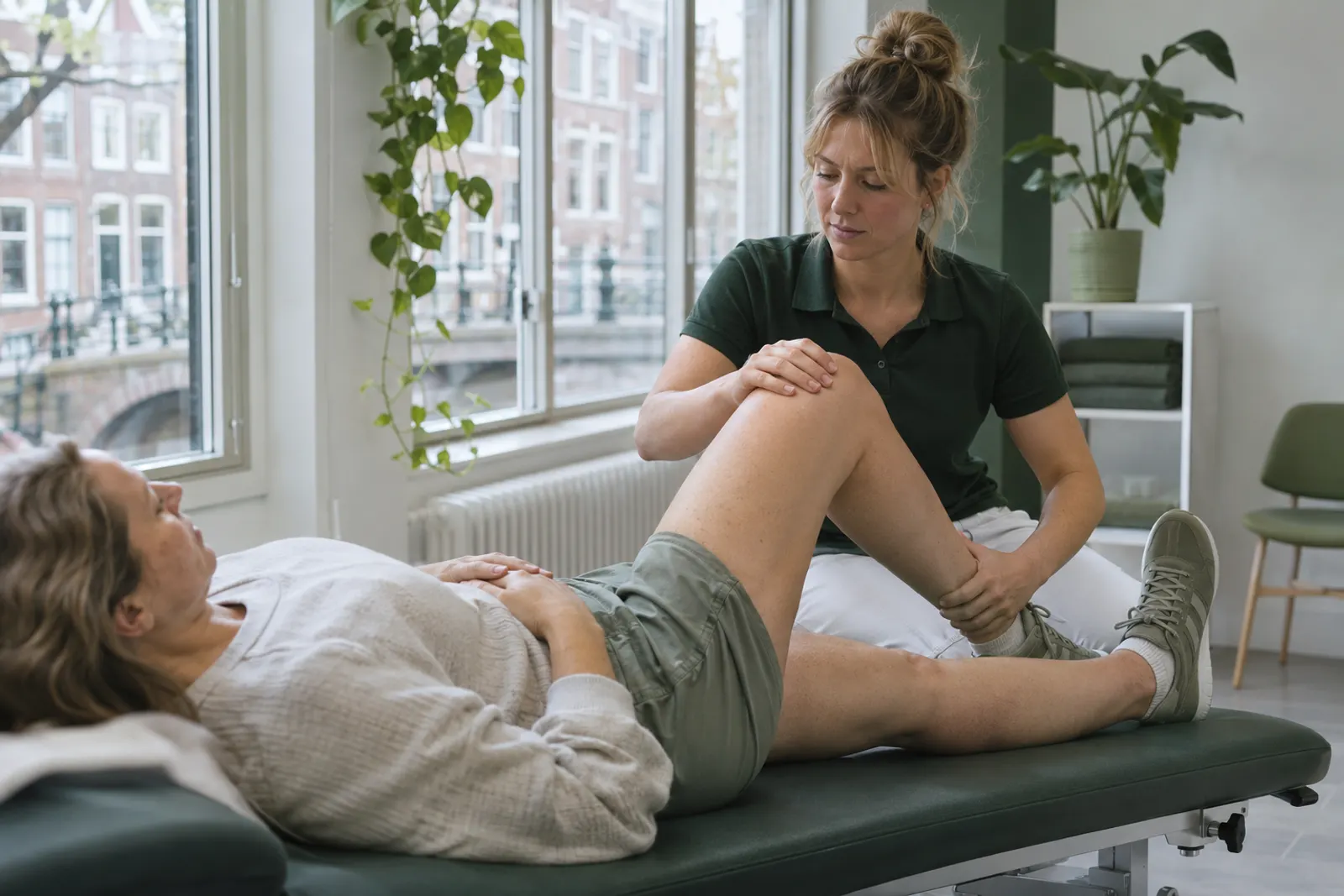
What practices face online
Phone lines that clog
Reception spends the morning on appointment calls. Patients who cannot get through give up or try another practice, and staff time goes to scheduling rather than care.
Practice details that are hard to find
Patients need opening hours, address, accessibility, how to register and what to bring. When this is scattered or out of date, they call to ask basic things.
Medical details in the wrong place
A contact form with a free text box invites people to write about symptoms. That is sensitive information that does not belong in an ordinary contact message.
Accessibility not taken seriously
Patients may be older, visually impaired or have limited mobility. Small text, low contrast and tricky navigation shut some of them out.
Privacy and legal obligations
A practice has to handle consent, privacy statements and data requests carefully. Missing or outdated documents are a risk you want to avoid.
Tools that suit a practice
These help patients reach you while keeping sensitive information out of the wrong channels.
Appointment booking
Patients choose a type of appointment and a free time, receive a confirmation and appear in your calendar overview, which eases the load on reception.
Practice information pages
Clear pages for opening hours, location, accessibility, registration and what to bring, written and edited by you.
Careful contact form
A form with fields for name, contact details and a general question, with a clear notice not to enter medical details, plus a spam filter.
Cookie consent and legal documents
A consent banner that records the visitor's choice, and privacy statements with version history so you can show what applied when.
Privacy requests
A defined route for handling requests to see or delete data, so these are dealt with consistently.
Accessible design
Strong contrast, readable text size, keyboard navigation and logical headings, so the site works for patients with different needs.
An example site structure for a practice
Patients come with practical questions, so the structure answers those first and keeps the tone calm and clear.
Home
What the practice does, opening hours, the address and a clear route to make an appointment.
Treatments
A page per treatment or specialism in plain language, describing what it involves without making medical claims or promises.
The practice and team
The practice itself, how it is organised and a place for staff introductions, filled with your own people, photos and words.
Make an appointment
Booking by type of appointment and time, with a confirmation, plus a note for urgent matters to contact you by phone.
Practical information
Location, parking, accessibility, how to register, what to bring and costs or insurance as you want to state them.
Contact
A form for general questions that asks for no medical details, plus phone and address.
Privacy and cookies
Privacy statement, cookie settings and the way to make a data request, kept current with version history.
Frequently asked questions
Can patients book appointments online?
Yes. You define the types of appointment and your availability, and patients pick a free slot and receive a confirmation. You see all appointments in a calendar overview, which reduces calls to reception.
How do you handle sensitive information in forms?
We keep medical details out of the contact form. The form asks for contact details and a general question, with a clear notice not to describe symptoms. Anything clinical should be discussed during the appointment or by phone.
Is the site accessible?
Accessibility is part of how we design: clear contrast, readable type, keyboard use, logical headings and alternative text for images. This helps older patients and people using assistive tools, and makes the site easier for everyone.
Can the site contain medical claims?
We do not write medical claims or promises. Treatment pages describe what a treatment involves in neutral terms. You are responsible for the accuracy of anything you state about care, and we help you keep the wording careful.
How are cookies and legal documents handled?
The platform includes a cookie consent banner that records the visitor choice and legal documents with version history. The privacy requests process helps you deal with data requests consistently. You stay responsible for the content of your documents.
Services that fit
Online booking
Let customers book services themselves, within the availability you set, with confirmations and a calendar.
AI chatbot
An assistant trained on your own site content that answers visitor questions, with a view on what it could not answer.
Hosting and maintenance
Hosting on our own cloud platform with SSL, monitoring, updates, your domain and business email.
Member portal
A private area with login, two-step verification and member-only content for customers, clients or members.
Sectors




A calm, clear site for your practice
Tell us about your practice and your patients. We propose a site with booking, practical information and careful privacy handling.